|
|||||||||||||
 |
|||||||||||||
Changing the Light Bulb on a 1,500' Tower - A Drone's-Eye ViewVideos for Engineers |
|||||||||||||
|
1 |
2 | 3 |
4 | 5
| 6 |
7 | 8 |
9
There are lots of videos and photos online of tower climbers all over the world, but this one showing tower climber Kevin Schmidt making the ascension to the very top of the now inactive KDLT TV analog broadcast antenna near Salem, SD, is unique in that the recording was made from a drone platform. It has more than 12 million views (posted in 2014).
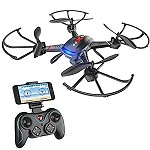
FPV R/C Quadcopter Drone, 720P Wide-Angle Camera w/Altitude Hold Capturing this kind of video requires a drone with a wireless live feed so the pilot (Joseph Thorin, of PrairieAerial) can see exactly what is being recorded. The concept is called "First-Person View" (FPV) and is nowadays a very common feature on drones costing less than $200. The Federal Aviation Administration (FAA) has enacted some rather draconian legislation regarding operation of radio controlled (R/C) aircraft in the past few years, brought on primarily by unscrupulous and/or irresponsible (aka idiotic) behavior by a relatively small number of users. This is often the case. Anyone producing a video such as this one needs to possess a commercial drone license (Remote Piloting Certificate, $150, recurring every 2 years), which requires passing a written test - but not a piloting proficiency test.
Posted May 17, 2019 |
|||||||||||||
 |
|||||||||||||
|
|||||||||||||
 This archive links to the many video and audio
files that have been featured on RF Cafe.
This archive links to the many video and audio
files that have been featured on RF Cafe.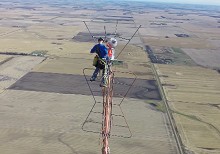

|
||||||||||||||||||||||||||||||||||||