|
|||||||||||||
 |
|||||||||||||
The Great QSL Quarrel
|
|||||||||||||
Around the time when this "The Great QSL Quarrel" appeared in a 1960 issue of Electronics Illustrated magazine, there was a long-standing friction between amateur radio operators and shortwave listeners regarding the exchange of QSL confirmation cards. Far from mere paper, many hams view their custom-designed cards as valuable reflections of their personal rigs and efforts. Consequently, they often discard subpar listener cards that are illegible, aesthetically dull, or lacking meaningful data. To ensure their reports are actually welcomed, shortwave listeners are urged to adopt higher standards: utilizing professional printing or clear handwriting, providing accurate and detailed signal documentation, and including specific, engaging snippets from the radio conversation itself. Furthermore, the author emphasizes that thoughtful gestures, such as including return postage - while mindful of the limitations of International Reply Coupons - greatly increase the likelihood of receiving a response. Ultimately, the article posits that by elevating the quality of their correspondence, listeners can transform their cards from trash bin fodder into appreciated contributions to any ham shack. The Great QSL Quarrel
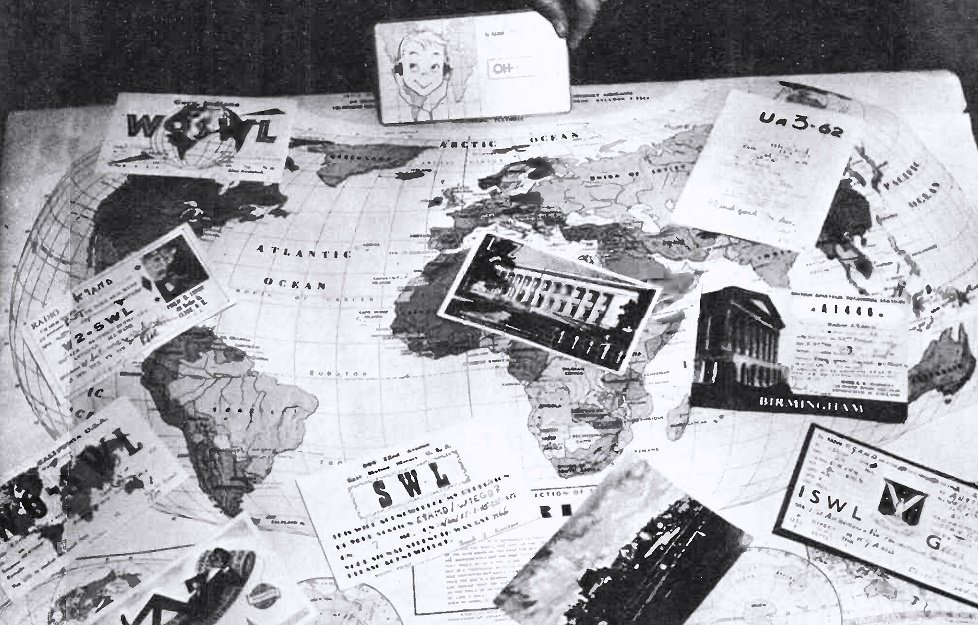
SWLs and Hams, stop that feudin'. By Carole F. Hoover, K9AMD Why would any ham in his right mind purposely throw a QSL card into the wastebasket? Well, thousands of shortwave listeners wonder the same thing. Others, who know why, grit their teeth in anger when they think of what's happening to the cards they send. Hams and SWLs have been feudin' for years, and it's high time a truce was declared. "Why should I furnish postage and one of my expensive cards to some guy who uses a postcard and a worn-out ball-point pen ?" grumbles a typical ham as he shreds an SWL card into his circular file. A good part of the fun of hamming is confirming radio contact by mail, and many amateurs spend hours designing their own cards, dressing them up with a photograph of the rig and operator, an original drawing, or some other clever idea which takes time and dollars. Swapping an artistic, custom -made QSL card for a dull, limp postcard is hardly a fair trade, although some folks seem to think so. In plain language, an SWL card should be a worthwhile addition to any "hamshack."
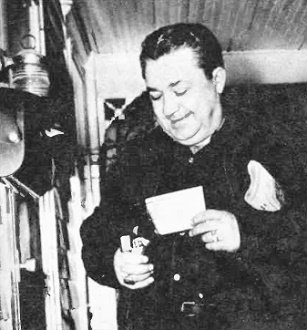
If SWL's follow the checklist in this article, chances are their QSL cards won't suffer the same fate as those above. Coming home from work, Gus, K9EBA, disposes of one incomplete SWL report at the mailbox.
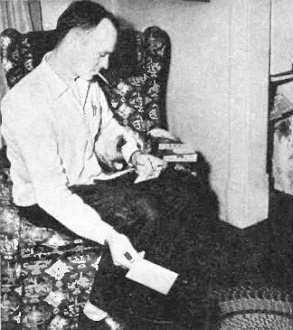
Another K9 and his canine sort the mail and QSL cards with the aid of a circular file. Next, let's tackle that ball-point pen business. No matter how attractive a card may be on one side, it's a big let-down to discover that the writing on the back is harder to read than a doctor's prescription. If you can't type, print; if you can't print, write neatly; and whether you write or print, don't use a pencil or half-shot ball-point. There's got to be beef in a bun to make a tasty hamburger, and similarly, perfect penmanship on a glorious card isn't worth a hoot if the message is missing. Since a shortwave listener can't pick up a microphone and join in the rag-chew, the signal report and comments he puts on his card must be accurate and detailed. Who wouldn't toss away a card that says merely, "I heard you calling CQ on 20 meters on February 22?" That just isn't enough information. A complete shortwave report should start with the ham's call letters and the date, time, and his exact transmitting frequency. An accurate readability and signal strength report should follow, as well as description of the receiver and antenna set-up used in listening. The calls of other stations involved in the contact should be included. Some amateurs will feel that the card is still in sad shape if a sentence or two from the rag-chew itself isn't quoted. This is the real fun of QSL'ing. If the ham describes his hometown, introduced his mother-in-law, or predicted the outcome of the World Series, mention it on your card. There's no law saying an SWL card has to be as stiff and statistical as an income tax report, so add some humor and watch the results. "If somebody wants my QSL, let him study and save to get his own radio license and rig just like I did," say a small number of hams. Although few hams understand why, many people prefer listening to talking, and they wouldn't take a microphone, key, or call letters even on a silver platter. On the other hand, the SWL population is full of folks already in the process of getting their own licenses and still others whose interest in amateur radio grows with each contact heard and QSL card received. The world's best authorities on swapping cards are the DX or foreign hams who receive QSLs from every amateur contacted as well as bushels of SWL cards from all the continents. One such station collects about 100 cards each week from shortwave listeners alone. "The incomplete cards go in the fire," he admits, and nobody can blame him. Enclosing postage for return cards is a practice much appreciated by all amateurs and almost sure to draw an answer. Foreign stations are particularly grateful but, unfortunately, International Reply Coupons aren't always the answer. The value of an IRC in another country may be much less than what an SWL pays for it. For example, a coupon costing 15 cents in a U. S. post office is exchanged in Haiti for only two cents. This means that a 10 cent air mail stamp there would require five IRC's purchased here at 15 cents each. Although IRC's are always welcome, many foreign stations simply can't afford air mail answers. Of course, a certain number of everybody's cards fall prey to playful children, chewing lap -dogs, spring housecleaners, and pack-rats. But, generally speaking, the shortwave listener who mails an attractive card that is both neat and complete will have it welcomed by the ham. And adding a clever comment and return postage may put a ham's card in the mailbox instead of an SWL card in the wastebasket. |
|||||||||||||
 |
|||||||||||||
|
|||||||||||||


|
||||||||||||||||||||||||||||||||||||