|
|||||||||||||
 |
|||||||||||||
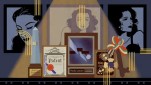
Hedy Lamarr Google Doodle |
|||||||||||||
|
Given that Google is heavily invested in spread spectrum technology and the company is staffed with some of the world's top engineers, it is no wonder the Google Doodle dedicates more than half of the presentation to Hedy Lamarr's technical accomplishments. You can watch the entire Doodle below, but here I show a few key screen cels of the story board.
Hedy Lamarr experimented with chemistry and attempted to develop a cube that when dropped in water would produce a Coca Cola-type drink - anyone else out there remember Fizzies?
Hedy Lamarr was upset over the lack of success Allied submarines were having against Axis subs. She thought maybe if torpedoes were able to be steered remotely, the kill rate would be much greater. But, vulnerability to signal jamming would be an issue. Spring boarding off of work done by Antheil George with automated musical instruments, Ms. Lamarr came up with the idea of rapidly changing transmit frequencies in a manner that would prevent enemy forces from blocking the signals.
US2292387, applied for on June 10, 1941 - before the United States even officially entered World War II on December 7 of that year - detailed just such a frequency hopping system. The Morse code-like control signal was effectively a digital data stream, most likely without any form of error detection/correction. Unfortunately, the U.S. Navy did not manage to implement the scheme before the war ended.
Hedy Lamarr Google Doodle - November 9 * Note that the patent lists her given (born) name of Hedwig Eva Maria Kiesler. "Fizzies" production video - Hedy Lamarr should have patented that idea, too!
Hedy Lamarr RF Cafe Day in History logo.
Posted November 9, 2015 |
|||||||||||||
 |
|||||||||||||
|
|||||||||||||







|
||||||||||||||||||||||||||||||||||||