|
|||||||||||||||||||||||||||||||||||||||||||||||||||||||||||||||||||||||||||||||||||||||||||||||||||||||||||||||||||||||||||||||
 |
|||||||||||||||||||||||||||||||||||||||||||||||||||||||||||||||||||||||||||||||||||||||||||||||||||||||||||||||||||||||||||||||
Calculation Verifications (beware the AI engines)
|
|||||||||||||||||||||||||||||||||||||||||||||||||||||||||||||||||||||||||||||||||||||||||||||||||||||||||||||||||||||||||||||||
|
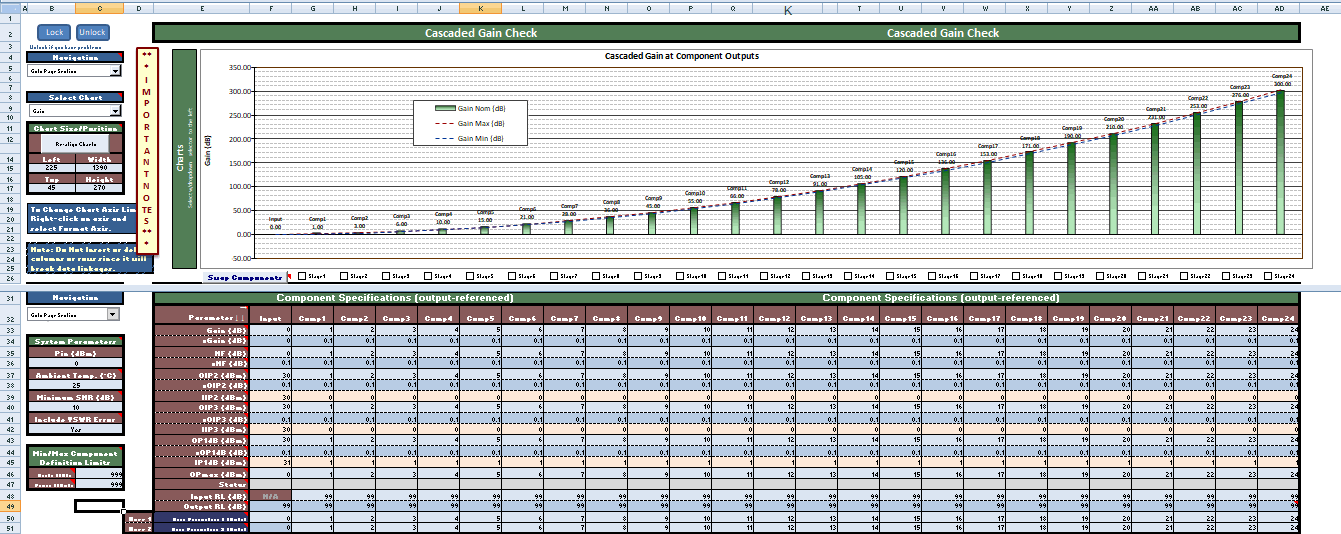
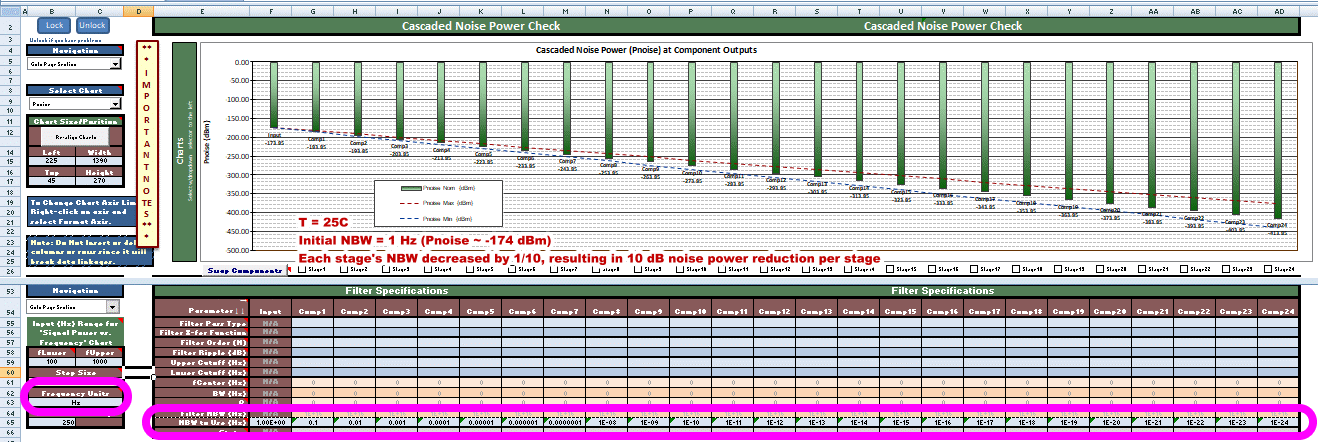
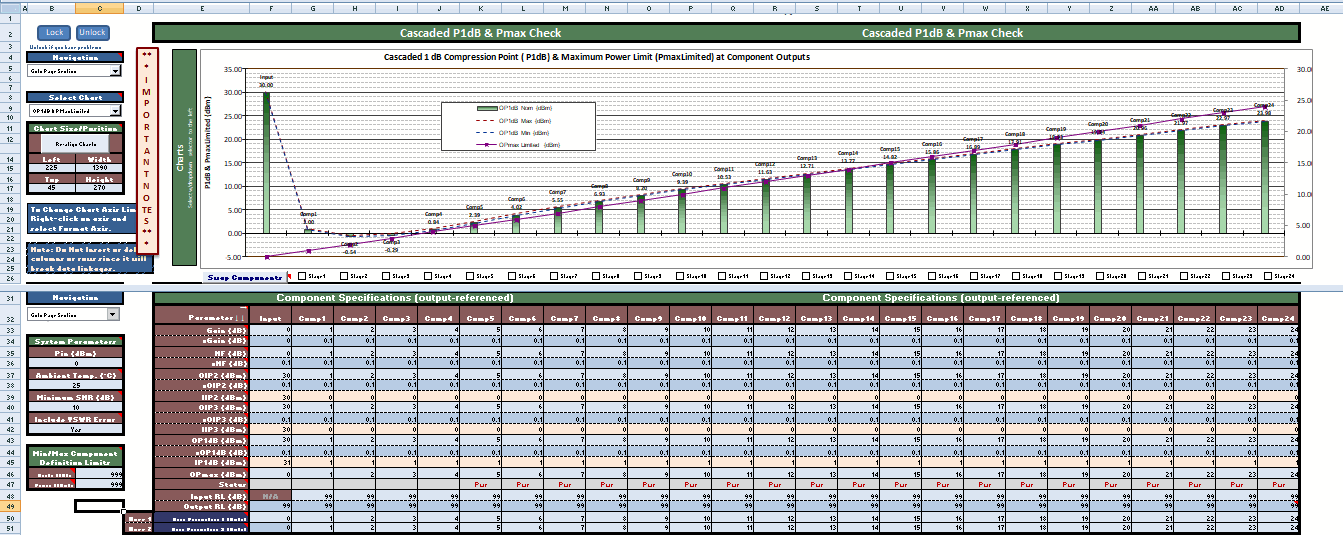
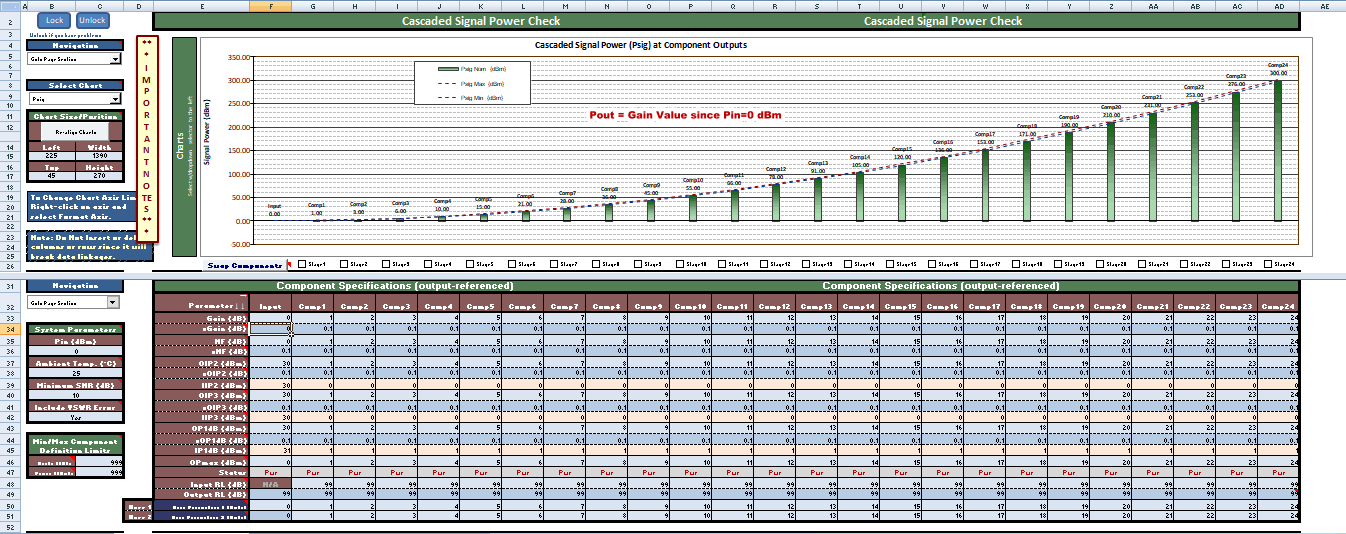
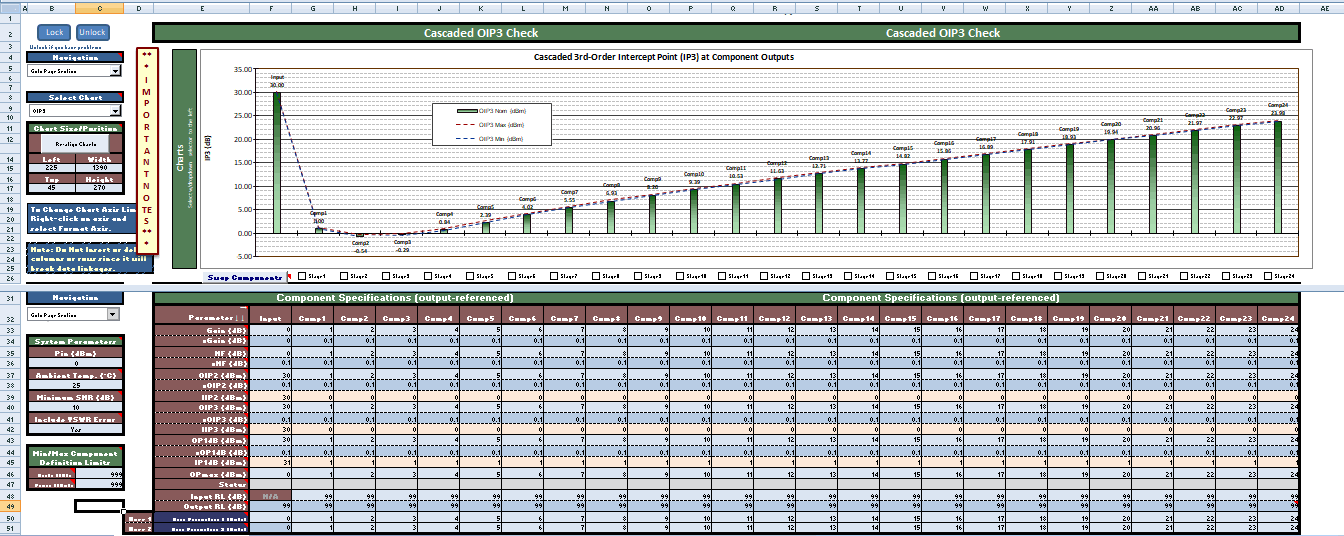
To assist in validating RF Cascade Workbook's calculations, this table of values was generated by ChatGPT 5, using 128-bit precision math. It used for each stage (StageN), values of GN=N dB, OIP2N=N dBm, OIP3N=N dBm, P1dBN=N dBm
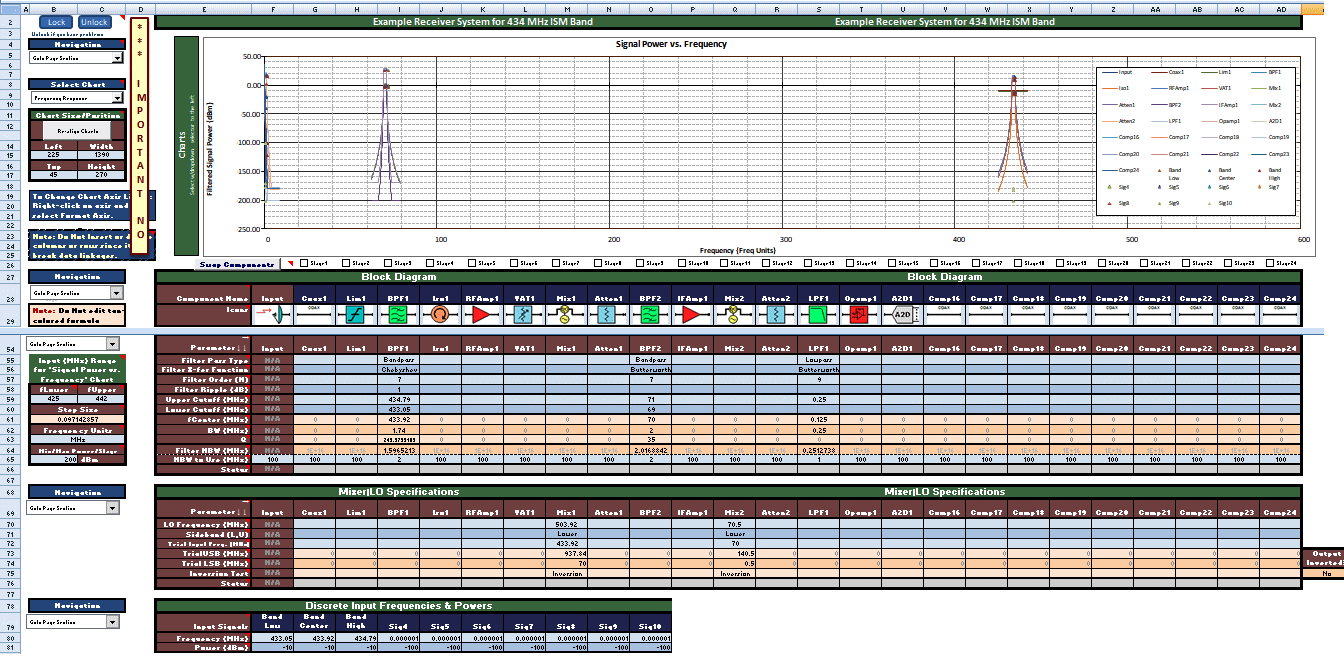
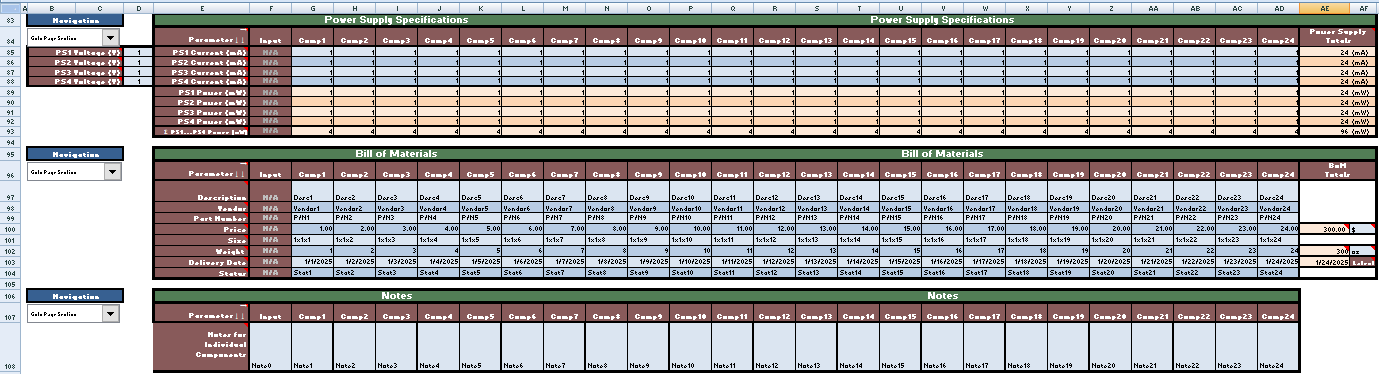
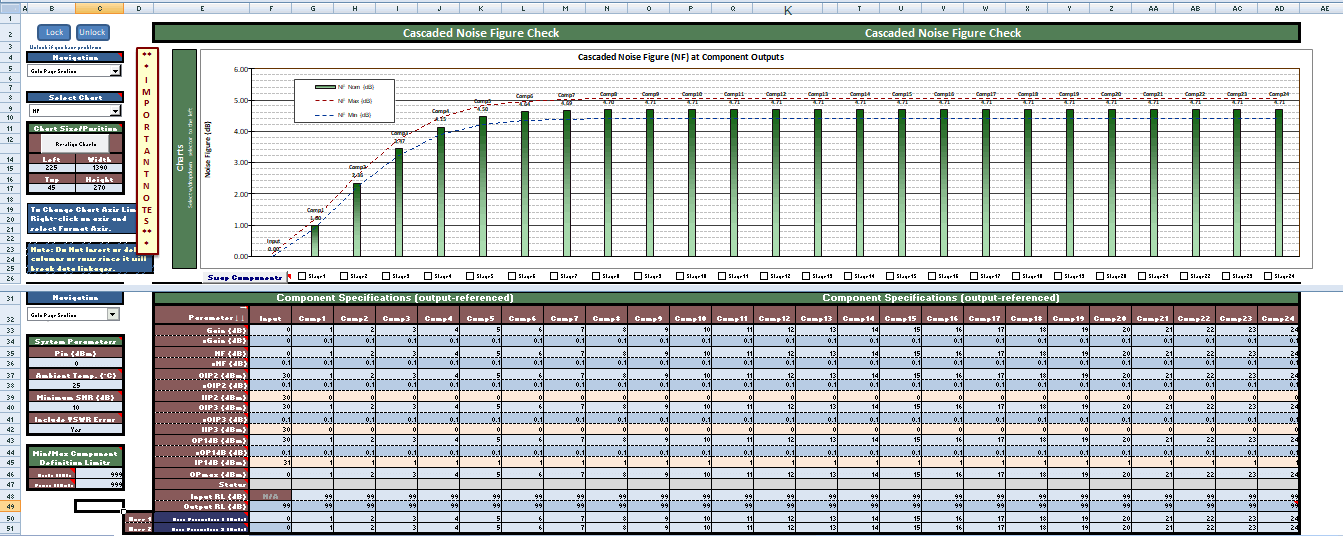
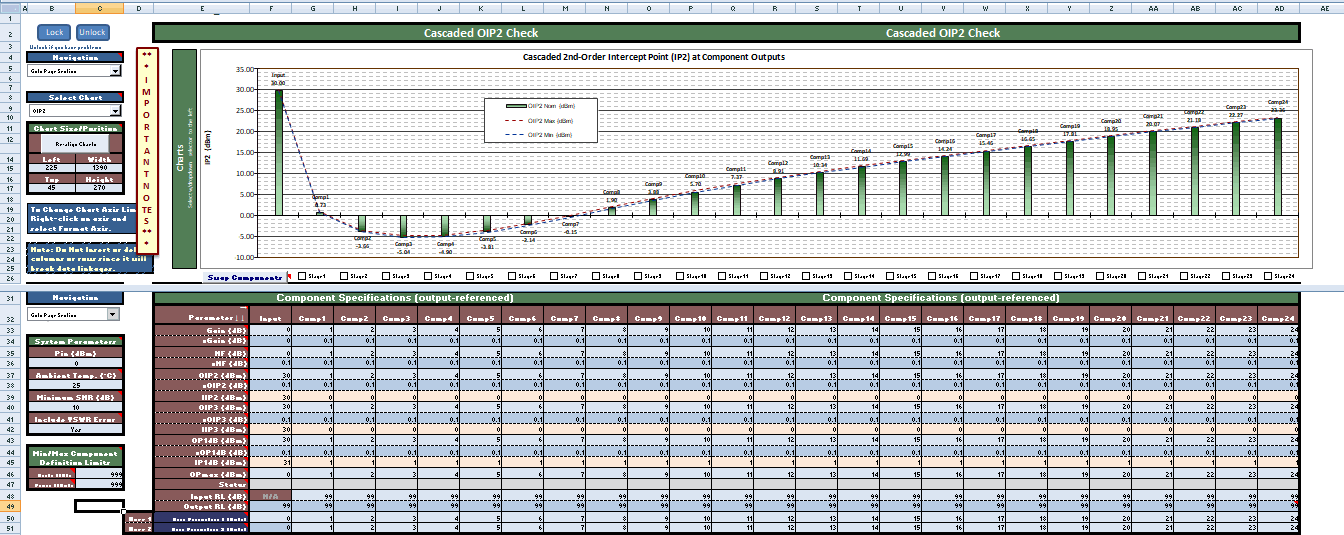
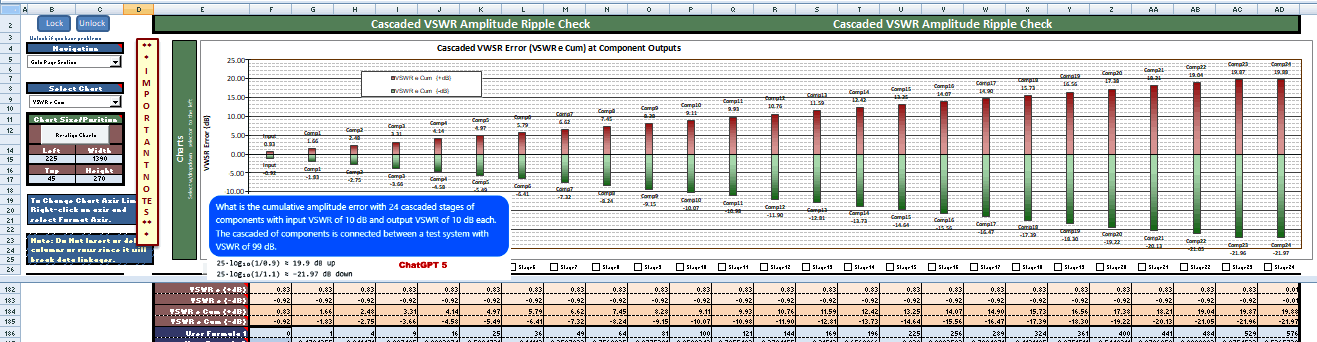
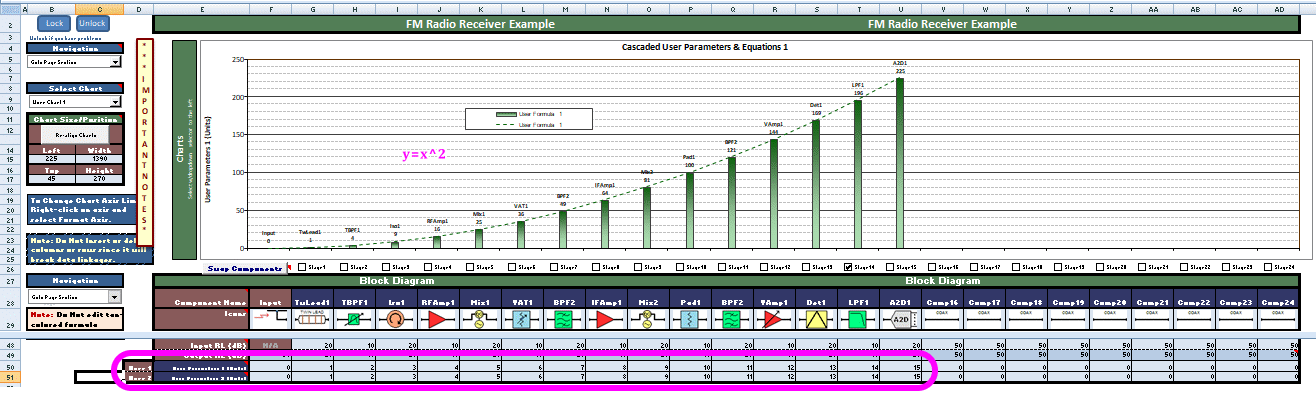
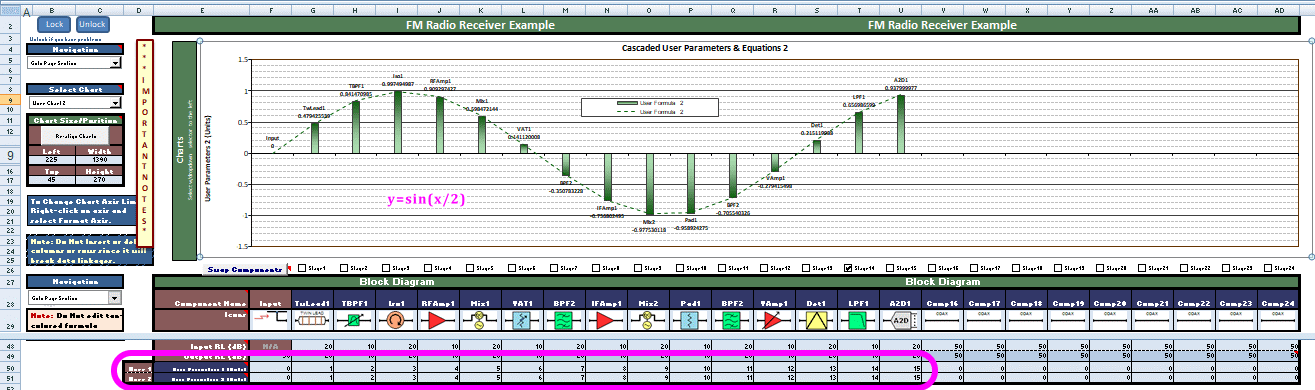
This table of values was generated by ChatGPT 5, using 128-bit precision math. Every time a change is made to RF Cascade Workbook that involves the entire cascade of components, a thorough checkout of the entire chain of calculations and graphical presentations needs to be performed in order to avoid having an error slip in. It is very easy for a single cell to not receive the proper formula when doing a copy and paste of a full row or column of cells. You might think not, but when you are dealing with thousands of cells in a workbook, the probability is non-zero. With this latest version (J) I needed to modify the version H 15-stage spreadsheet to increase it to 24 stages. I could have instead reduced the 30-stage version to 24 stages, but in my long experience doing such operations in Excel, for some reason increasing seems to produce fewer mistakes (probably just me). Regardless, though, a very careful check of each and every calculation needs to be done. That takes a lot of time with something as extensive as RF Cascade Workbook and its many Visual Basic for Applications (VBA) routines, mouseover hints, dropdown selection boxes, conditional cell formatting, and cell content validations. I ship RF Cascade Workbook with the VBA code password-protected in order to preserve the confidentiality of the custom code I have written to perform automated tasks not often (or never otherwise) seen in an Excel spreadsheet. That caused one user to remark that doing so implies that I expect him to "just trust you [me]" that everything is correct. To some extent that is true, but my motivation is to protect my intellectual property (IP), not to require anyone to trust me. In fact, I have always cautioned users to do their own validations prior to using my results for critical application. I do not have access anymore to the kilobuck big-name simulators that were available to me back when RF Cascade was first begun back in 2002 (while working for RF design companies), where I can plug an identical set of values into one and compare their results to my results. I can find other software which preforms many of the calculations and compare results, but to my knowledge there is nothing out there comparable to RF Cascade Workbook's capabilities to test every calculation - especially with 24 stages. However, with the advent of AI (artificial intelligence) engines like ChatGPT, Grok, and Gemini, I am able to feed them a request and have them crunch numbers to compare results. It take very careful wording of the query and equally careful review of their results to determine whether my input was understood and acted upon correctly. It is not uncommon when challenging an obviously incorrect result to have the AI beast reply that it was making "common assumptions" and/or applying "rules of thumb" and/or taking "shortcuts." I kid you not; I received many of those types of excuses just while checking out this version of RF Cascade Workbook. One such rule-of-thumb it claimed to apply was that the first few stages of a cascade of components sets the system's noise figure, so it only calculated the first few, then spit out an answer. Amazing, but utterly true. You really have to watch the AIs that try to be too human-like and think they're more clever than they actually are. The biggest source of error from the AI engines is due to not using their highest precision math, which results in not carrying enough decimal points (truncation) throughout the calculations. When dealing with decibels where conversion back and forth between logarithmic and linear values for cascade calculations of noise figure, intercept points, and compression points, a large accumulation of errors can and does occur by the time 24 consecutive calculations are made. The table to the right contains an example of ChatGPT's values for all 24 stages of RF Cascade Workbook for many parameters based on the input values shown in the screen shots below. As you can see they agree exactly - but only after using its full-precision 128-bit math and not truncating decimal places. It takes noticeably longer to receive those results than when it uses its shortcuts, rules-of-thumb, and assumptions. These screen shots are of examples where component parameters for all 24 stages were designed to make the expected results as obvious as possible. Where that is not so easy - as with noise figure, intercept points, VSWR-induced amplitude variations, etc., I provide AI comparisons. This, of course, does not completely guarantee that some mistake has eluded my detection, but it should provide a higher level of confidence.
|
|||||||||||||||||||||||||||||||||||||||||||||||||||||||||||||||||||||||||||||||||||||||||||||||||||||||||||||||||||||||||||||||
 |
|||||||||||||||||||||||||||||||||||||||||||||||||||||||||||||||||||||||||||||||||||||||||||||||||||||||||||||||||||||||||||||||
|
|||||||||||||||||||||||||||||||||||||||||||||||||||||||||||||||||||||||||||||||||||||||||||||||||||||||||||||||||||||||||||||||

|
||||||||||||||||||||||||||||||||||||